
Chiang Mai's Must-Do List Is Too Long. Let's Fix That.

Travel Consultant Turned Editor
You don't need to see 20 attractions to have a great first trip to Chiang Mai.
Instead, I'd prioritize experiences you can't easily get elsewhere: living Buddhist culture, time with elephants, Northern Thai food and local life, and hands-on Lanna traditions.
And if your dates overlap with Yi Peng, I'd move it straight to the top.
In this guide, I'm going to tell you which experiences deserve a place in your limited Chiang Mai days, and which popular ones don't.
Yi Peng Festival: The One Experience I'd Plan a Trip Around
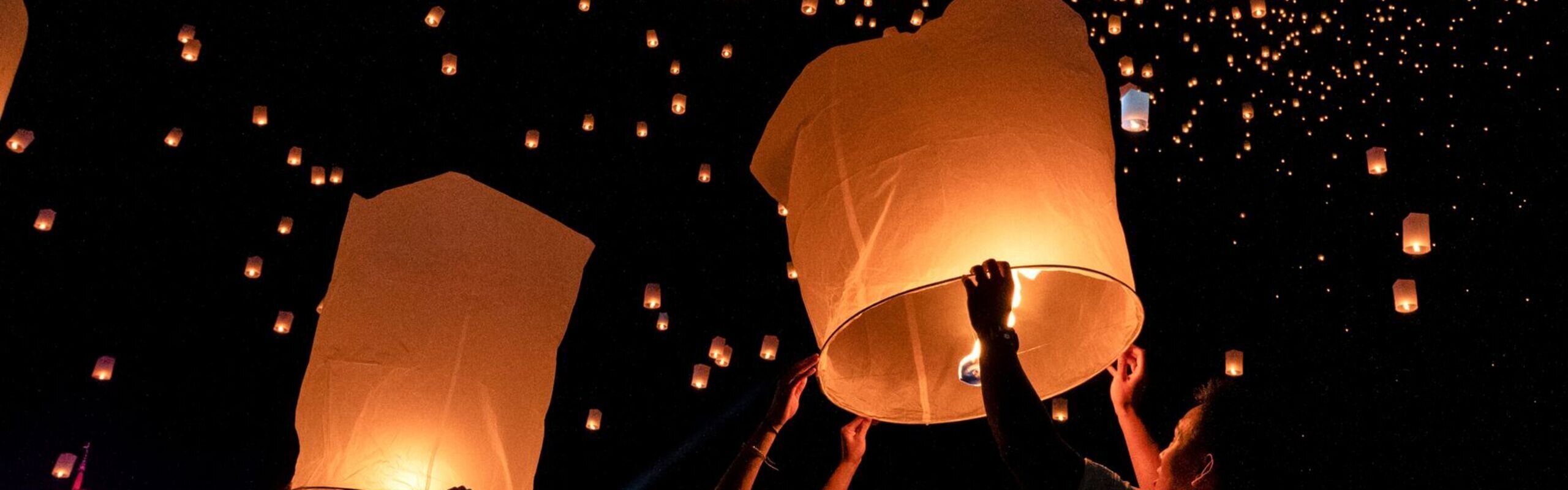
Yi Peng Festival (Nov. 24–25, 2026) is the most romantic festival in Thailand, and even in Southeast Asia.
We've even had hundreds of couples choose the festival for a proposal or anniversary.
Nothing beats thousands of lanterns rising into the night sky while krathongs drift along the river.
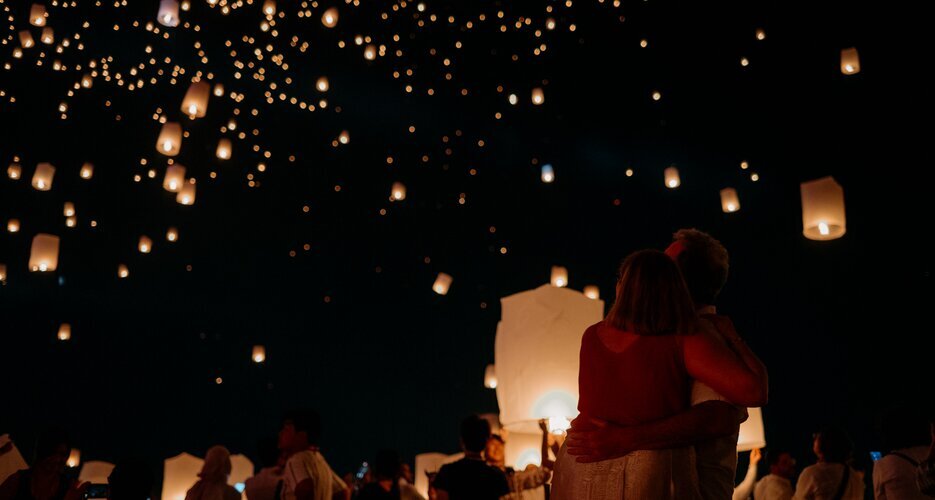
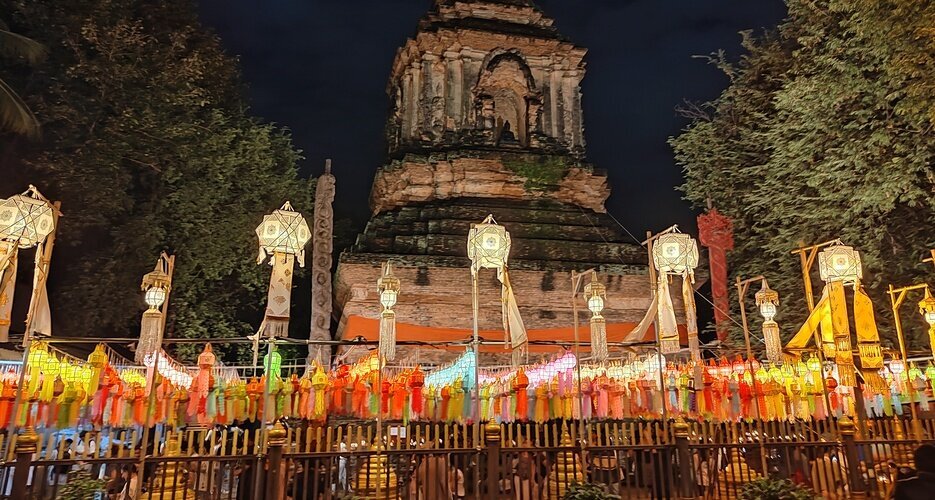
You'll experience Chiang Mai at its most festive as well. Temples, streets and the river fill with lanterns, ceremonies, parades and Lanna traditions.
Yi Peng is not a last-minute experience. Book your tickets at least 3 months ahead if you want to be there.
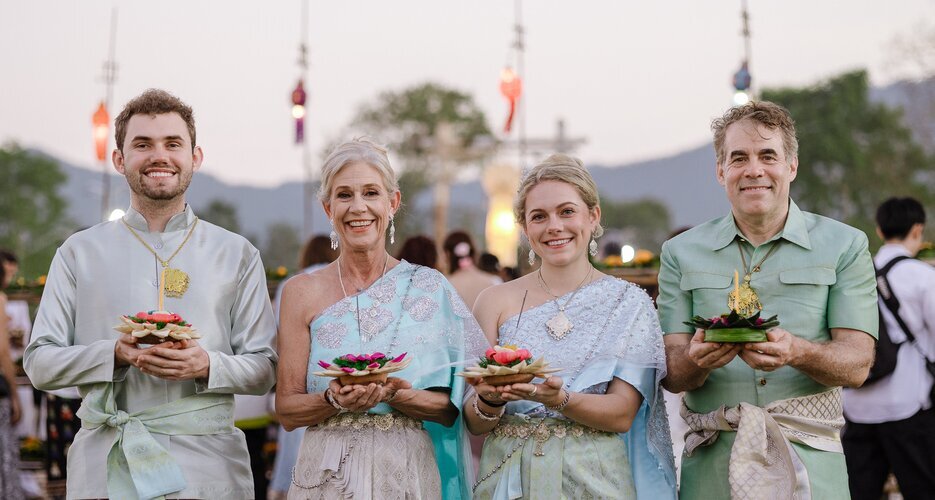
With us, you'll get exclusive extras: front-row access, traditional Thai costumes, and professional makeup.
The 5 Experiences I'd Prioritize on a First Chiang Mai Trip
1. Living Buddhism — See How Buddhism Is Practiced Today
You can't really understand Chiang Mai without experiencing its Buddhist culture.
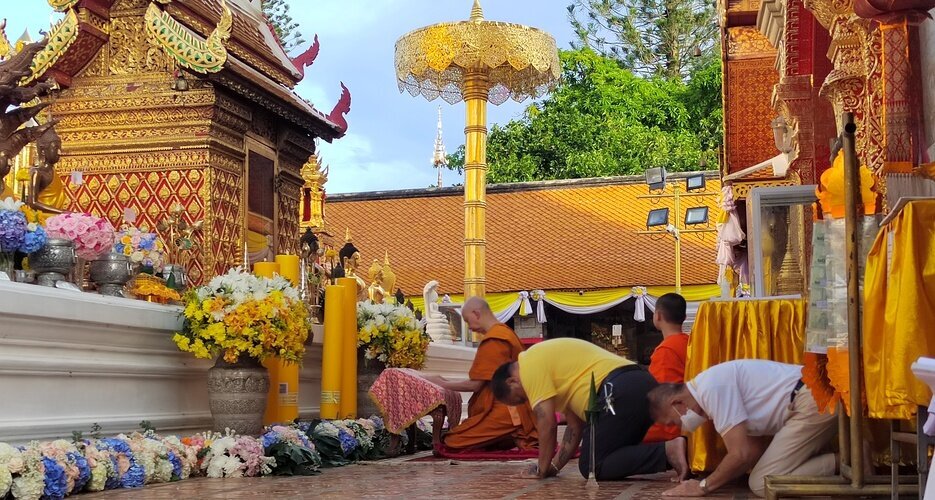
I'd make Doi Suthep a priority. It's the soul of Chiang Mai's spiritual side.
In one visit, you can experience most of what defines Chiang Mai: Lanna architecture, the sacred relic, the liveliest praying and blessing rituals, and monk chanting. You'll also get Chiang Mai's mountain scenery and views over the city.
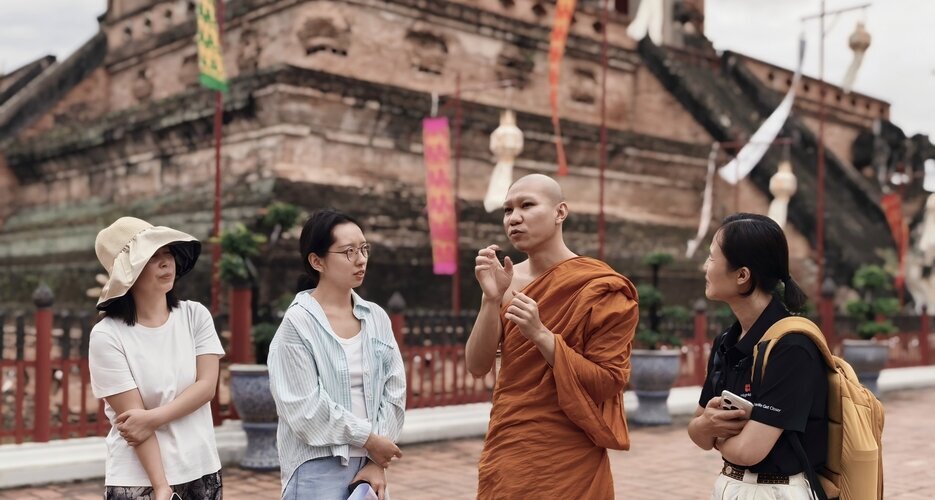
But if you want to take your understanding of Buddhism a step further, I'd add the monk chat experience at Wat Chedi Luang in the Old City.
Here, you can talk with a monk, ask questions, and hear how Buddhism shapes his daily life and practice.
For a deeper experience, we recommend a private monk-led visit. You'll see the temple through the eyes of someone who actually lives and practices Buddhism here.
If you're interested in more Buddhist experiences beyond temples, read our guide to experiencing Chiang Mai's living Buddhist culture.
Ethical Elephant Experience — Get Close to Elephants, Responsibly
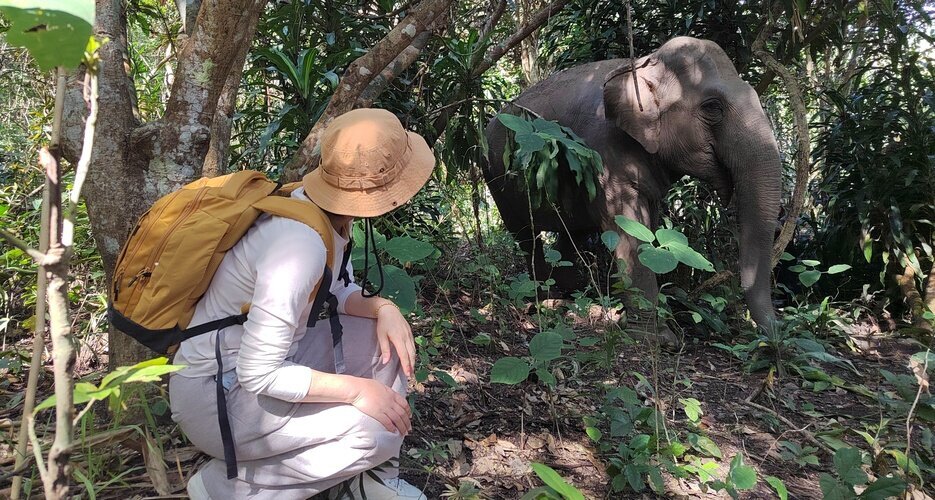
At a zoo, you watch an elephant through a fence. In Chiang Mai, you get a rare chance to see them up close in a more natural environment.
You can feed them, walk alongside them through the forest, and bathe them if they're happy.
You'll also find more choices here than anywhere else in the country, often at better value.
But with so many options, which one is actually ethical?
We've visited more than 20 around Chiang Mai and narrowed our picks down to two: Elephant Jungle Sanctuary for hands-on interaction and ChangChill for a hands-off experience.
Check out more details about elephant sanctuaries in Chiang Mai.
Local Markets — See How Chiang Mai Actually Lives
Chiang Mai's Saturday and Sunday night markets are fun and perfect for a leisurely evening.
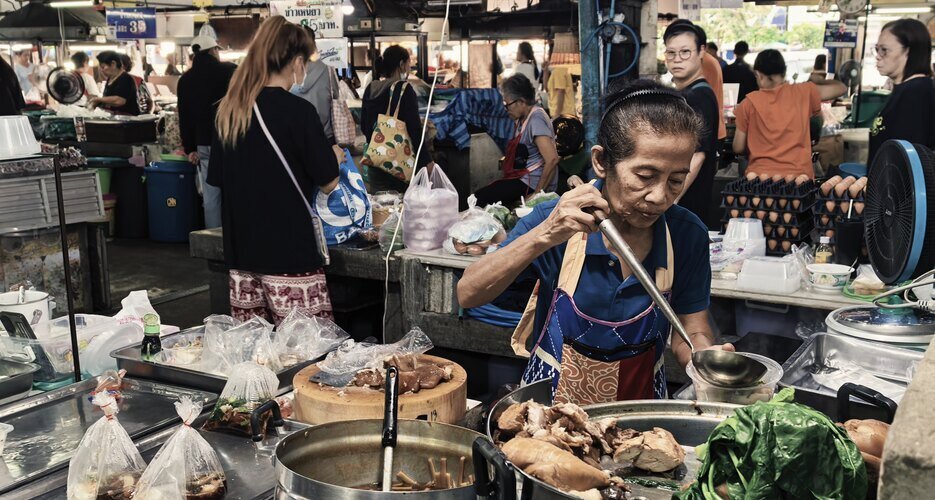
But for a closer look at local life, we'd choose Chiang Mai Gate Market in the morning.
See Northern Thai ingredients, locals buying breakfast, and monks receiving alms. This is also where we'd go for a real local breakfast. Pull up a plastic stool and order a bowl of noodles.
When we visited, one vendor's child was celebrating a birthday, and neighboring vendors stopped to sing along. It's these little moments that make the market feel alive.
Chiang Mai After Dark — Move Beyond the Night Market
Chiang Mai is a low-key city. It doesn't have Bangkok's bustling nightlife.
Night markets are the simplest choice. But if you're staying for three or four nights, there are other ways to enjoy your evenings.
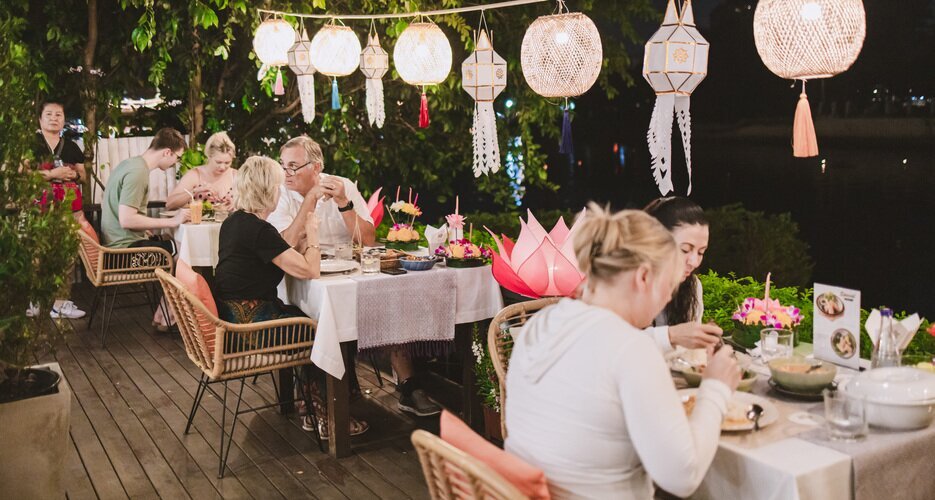
If you're celebrating with your beloved one(s), choose a riverside restaurant. Watch the sunset and enjoy an authentic northern Thai dinner.
If you want something more exciting, head to Tha Phae Gate for a Muay Thai match. Experience the energy and tradition of Thailand's national martial art.
After a tiring day, you can also unwind with a traditional Thai massage at a spa in the Old City. Massages here are more affordable than in other Thai cities.
A Hands-On Lanna Experience — Meet the People Behind the Craft
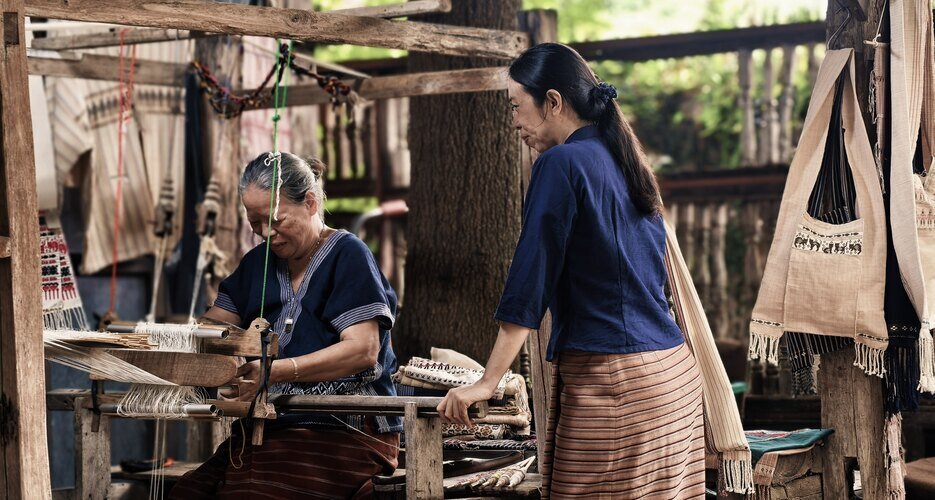
You can see Lanna crafts in markets and workshops, but a hands-on experience lets you see how they are actually made and meet the people who still make them today.
For an easy introduction, try tie-dye, silverwork, umbrella painting, or pottery. They are relaxed options that fit easily into a day in the Old City.
For a deeper experience, we'd take you into the communities, slow down, and hear the stories of the craftsmen.
Meet Karen women who still weave by hand or talk to a skilled craftsman who has spent his life carving elephants.
3 Ways to Go Deeper in Chiang Mai if You Have More Time
Northern Thai Food — Taste a Different Side of Thailand
You can taste Chiang Mai's identity in its food.
Its mountain setting and Lanna traditions give its food a character you won't find in Bangkok or the islands.
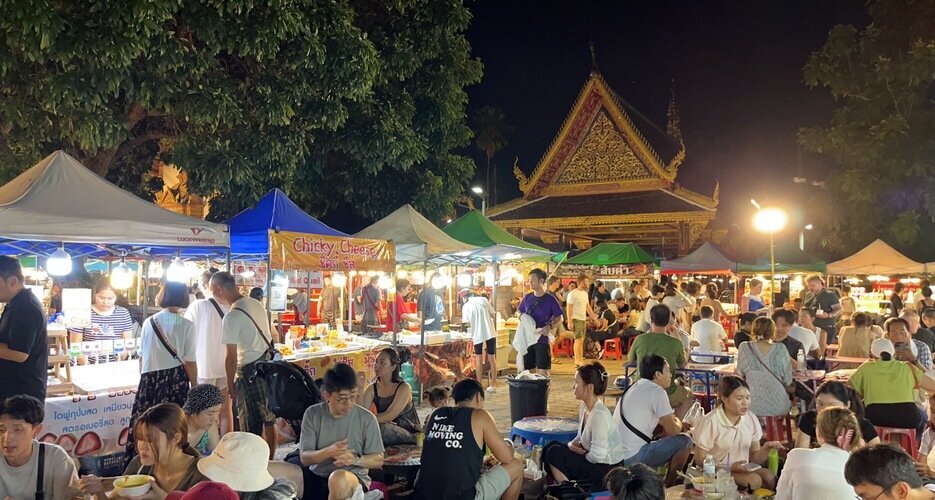
To taste many local dishes without planning, head to the weekend walking streets.
Saturday and Sunday nights bring together some of the city's liveliest food stalls. You can taste all the classics in one evening.
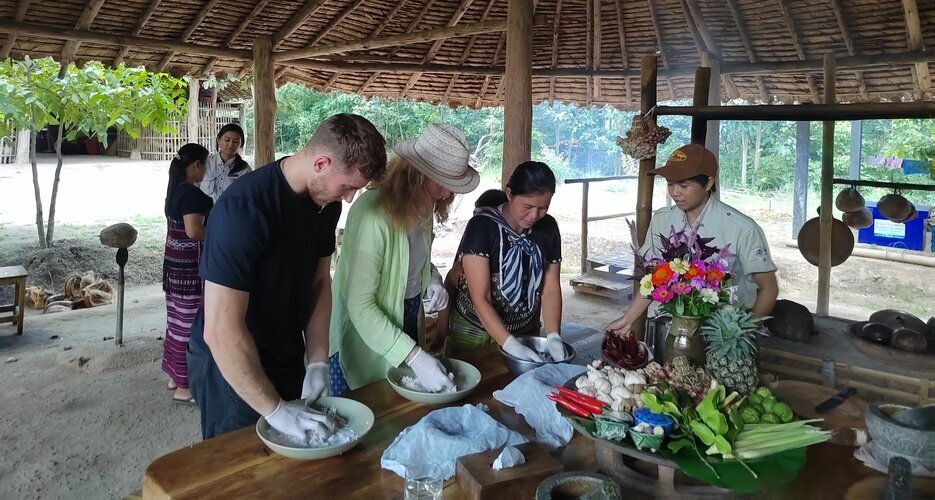
For a fuller food experience, step into a local home and learn to cook everyday food.
A private farm-to-table class in the countryside is our first pick. Pick vegetables from the garden, cook together, then sit down and eat what you've made.
Doi Inthanon —See Chiang Mai's Mountain Side in One Day
Chiang Mai is shaped by three things: Lanna culture, Buddhism, and mountains. Doi Inthanon is the best place to experience the third one.
It gives you the most complete taste in a single day.
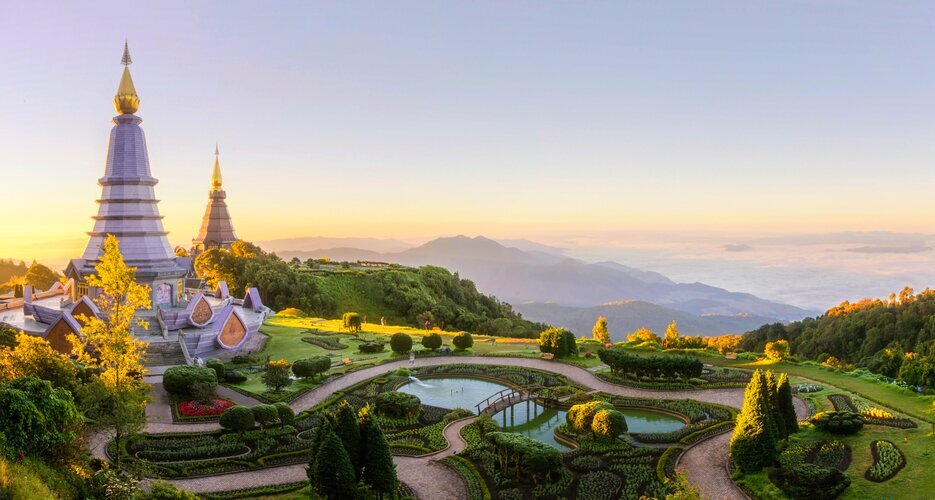
You can reach Thailand's highest mountain, walk through cool cloud forests, see powerful waterfalls, visit the Royal Twin Pagodas, and meet hill tribe people.
For active travelers, you can also take a 2-3-hour hike to explore its nature.
- Pha Dok Siew Nature Trail: mainly for jungles, waterfalls, and rural life.
- Kew Mae Pan (November to May only): more challenging, famous for panoramic mountain views.
Tip: don't make it a priority if you only have 2–3 days in Chiang Mai.
The 4-hour round trip takes a big chunk of your day, so we'd save it for a longer stay and use a short trip for your limited time instead.
Chiang Mai's Coffee & Farm Culture — From Opium to a New Life in the Mountains
A coffee farm visit is worth adding when you want to connect landscape with local livelihoods.
It also tells the story of change in Chiang Mai's mountains: Where opium once grew, coffee now supports local communities.
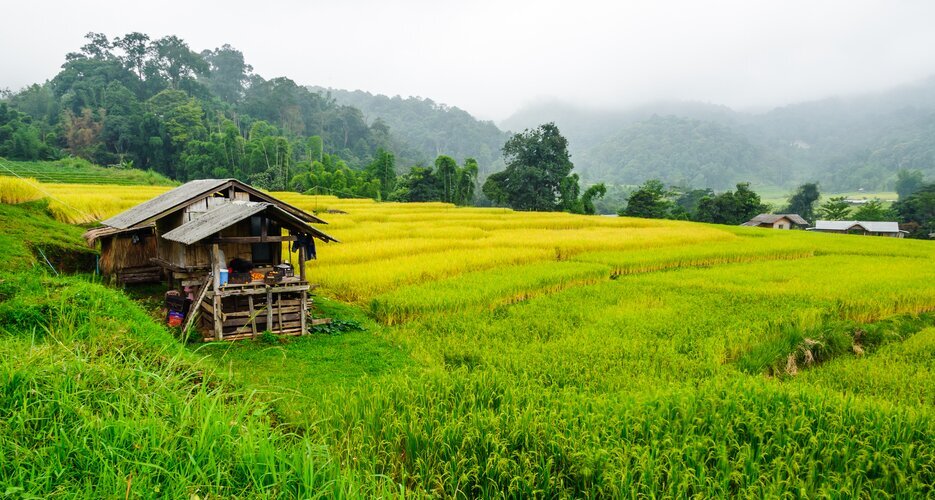
To see that change up close, we recommend walking through the plantation with a Karen villager.
The trail winds quietly through coffee trees, jungle, and mountain farmland, with village life around you.
In January, you'll catch the coffee harvest and can help pick the cherries if you like. During the rainy season, you can also help plant baby coffee trees.
3 Popular Things I'd Deprioritize or Skip
Chiang Rai as a Day Trip — Save It for a Longer Trip
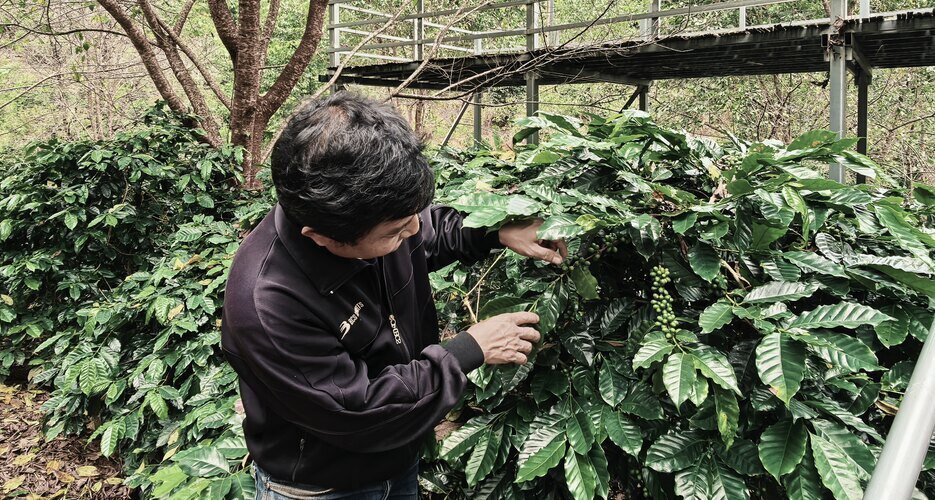
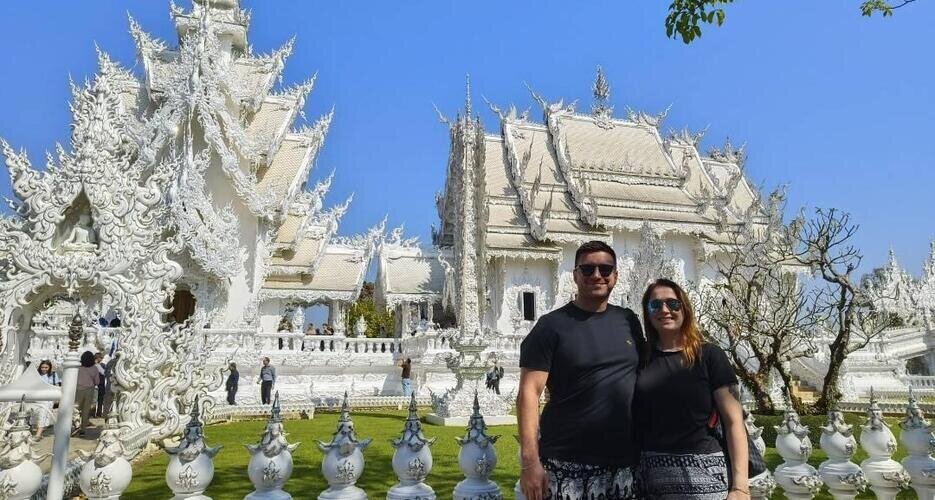
I'd skip Chiang Rai on a short first trip unless seeing the White Temple and Blue Temple is high on your list.
The temples are distinctive, but the drive takes up 6–7 hours of the day. It's exhausting as a day trip.
Sticky Waterfalls — Fun, but Mainly for Kids
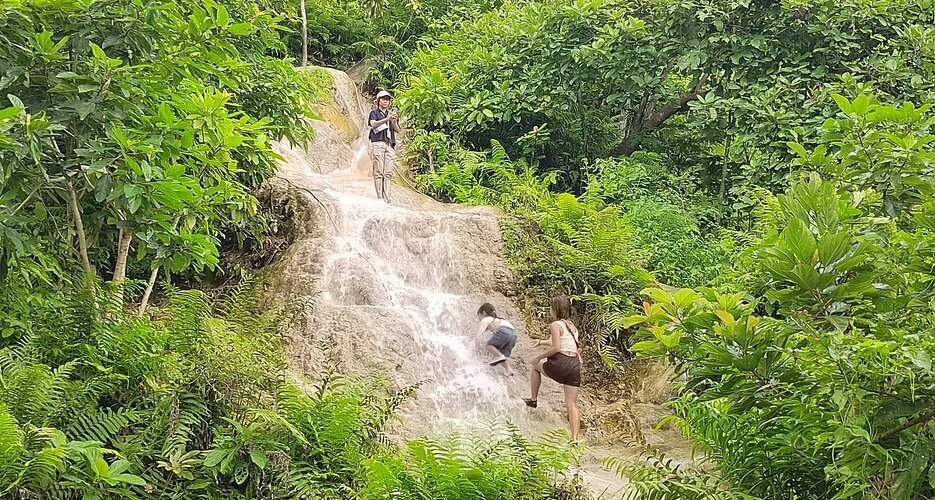
I'd recommend Sticky Waterfalls mainly for families with kids or younger travelers looking for some adventure. The attraction is simple: climb the sticky limestone rocks, play in the water, and have fun together.
For most couples, I'd spend that time elsewhere. Once you've climbed the waterfall, there isn't much more to the experience.
Long-Neck Karen Village — Not Recommended for Photo Only
If your time is limited, we'd skip the standard long-neck village tour.
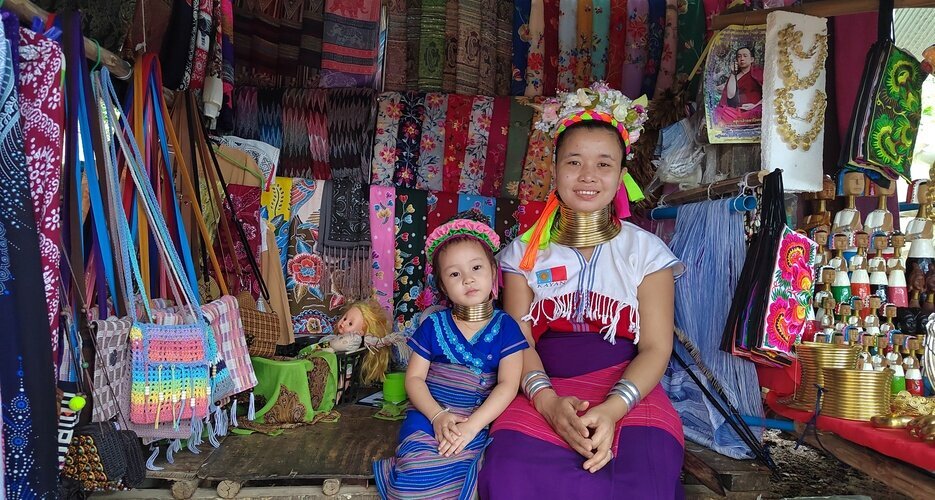
You'll see Karen women wearing the traditional neck rings, take photos, and browse handicrafts. That's not enough to justify half a day of your Chiang Mai trip.
The exception is if Karen culture is a real interest for you. But make sure to book a guide with you. He/she can explain the Karen people's history, why some communities came to Thailand, and the meaning behind the traditions you're seeing.
How I'd Plan My Chiang Mai Days
If you only have two or three nights, focus on experiences around the Old City.
This helps you spend less time in the car and more time enjoying Chiang Mai. Prioritise Buddhist culture, local life, traditional crafts, elephants, and an evening activity.
If you have more time, make Doi Inthanon your first choice. After that, consider visiting a mountain coffee farm.
Coming for the Yi Peng Festival? Leave two extra days for festive celebrations.
You can also use this sample itinerary for inspiration:
- Day 1: Arrive in Chiang Mai and relax.
- Day 2: Visit a morning market, join an almsgiving ceremony, explore Wat Chedi Luang, and take an evening trip to Doi Suthep.
- Day 3: Spend time with elephants and join a cooking class.
- Day 4: Take a day trip to Doi Inthanon National Park.
- Day 5: Depart.
Ready to Turn These Ideas Into Your Chiang Mai Trip?
Now that you know what's worth your time, it's time to put it all together.
Share your travel dates and a few details about your trip, and we'll help you plan your Chiang Mai days.
Explore more tips to help plan your trip: