
Is It Safe to Travel to Thailand in 2026? Real Risks & Travel Safety Tips
Seasonal travel planning
Quick Answer: Yes — Thailand is very safe for international travelers in 2026.
Millions of people visit every year, and most trips go smoothly without any issues. Bangkok was once again ranked the #1 most-visited city in the world in 2025 (Source: Euromonitor 2025), and Chiang Mai regularly appears among the safest cities in Southeast Asia (Numbeo safety index).
Thailand is a mostly Buddhist country, and that shows in daily life. People are polite, non-confrontational, and genuinely friendly. You'll notice it in small things — the wai greeting, the smiles, and how easy everyday interactions feel. Tourism is a big part of the economy, so keeping travelers safe is a priority at every level.
Of course, that doesn't mean nothing ever goes wrong. The main things to watch for are small scams, traffic, and a bit of common-sense awareness.
During my trips in December 2025 and February 2026, including the Chiang Mai Flower Festival, everything felt just as safe as before. I wandered night markets, walked back to my hotel after midnight, and went for late-night massages — all without any concerns.
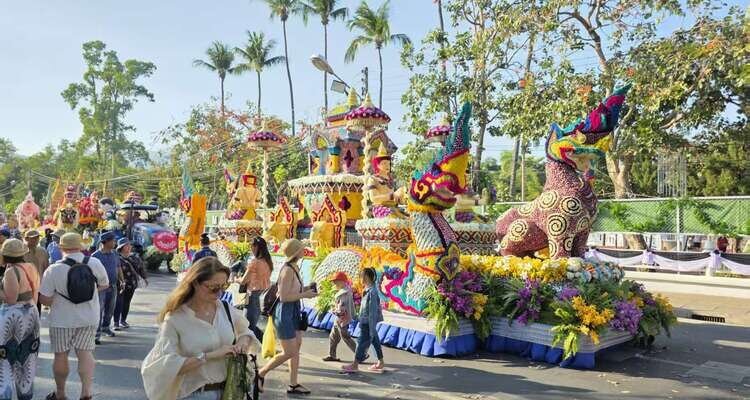 At the Chiang Mai Flower Festival in 2026, everything felt calm and well organized.
Even in places like Chiang Rai, the Golden Triangle, and Kanchanaburi, daily life and sightseeing went on as usual, with no noticeable safety issues.
Below, I'll walk you through the few risks you might actually run into and how to handle them so you can travel with confidence.
What You Actually Need to Watch Out For
1. Scams (The Most Common Issue)
This is probably the most common thing travelers run into, especially in tourist-heavy areas. These scams can be annoying, but they're rarely dangerous.
A common situation is this:
Someone approaches you near a major attraction and says it's "closed today," then offers to take you somewhere else for a special deal. It might sound helpful, but it's almost always a setup.
You'll hear about this most around:
- The Grand Palace and Wat Phra Kaew
- Wat Pho and nearby riverfront areas
- Khao San Road
- Chiang Mai Old Town(near temples or city gates)
A simple rule to remember: Most of the time, a simple "No, thank you" and walking away is enough.
A few other scams worth knowing:
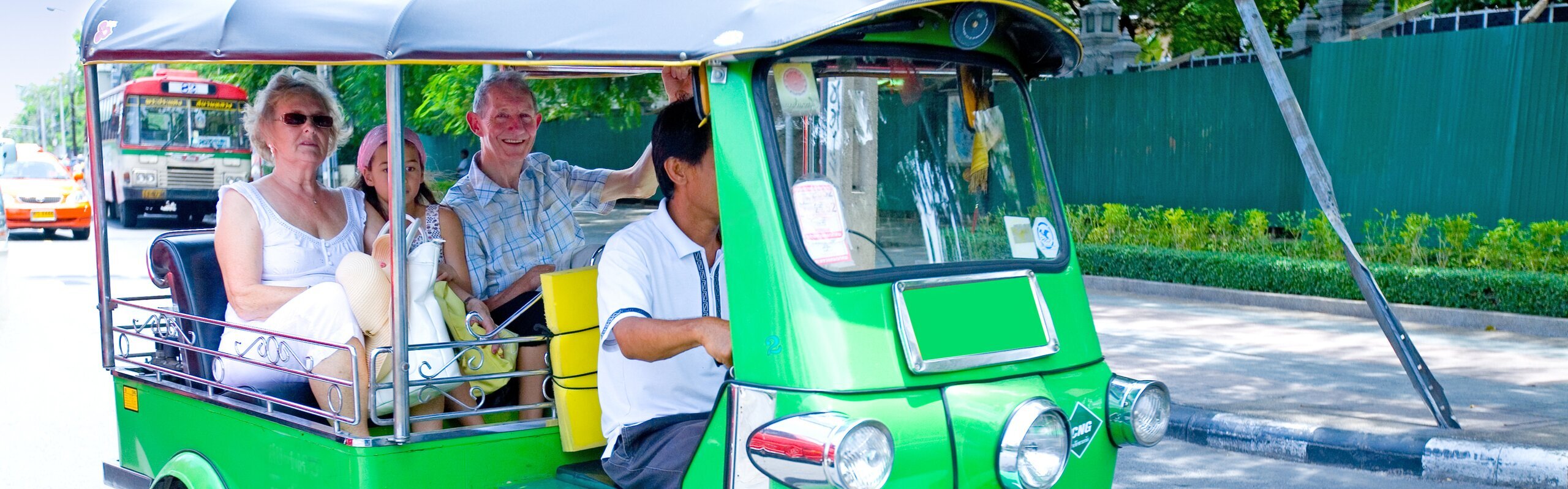
1) Tuk-tuk "cheap tour" scams
You'll often find these around the Grand Palace area, Khao San Road, and sometimes near major temples in Bangkok.
A driver offers something like "20 baht city tour" or "very cheap temple tour". The catch is that instead of taking you directly to attractions, they stop at gem shops, tailor shops, or souvenir stores where they earn commission. Prices are usually higher than normal, and there can be some pressure to buy.
How to avoid it:
- Politely decline and walk away.
- Use Grab or metered taxis instead
- If you still want the experience, consider booking a tuk-tuk tour through a travel agency. Personally, I recommend trying it in Chiang Mai rather than Bangkok.
2) Jet ski or motorbike damage scams
This is most common in Phuket, Pattaya, and Koh Samui, especially at busy beaches.
You rent a jet ski or motorbike, return it, and the owner claims you caused damage, even if you didn't, and asks for compensation.
How to avoid it:
- Take photos before using
- Rent from well-reviewed shops
- If unsure, it's easier to skip jet skis on public beaches
2. Traffic & Transport Risks (More Important Than You Think)
This is something many travelers don't realize at first.
Road safety isn't the same as in Western countries, and motorbike accidents are one of the most common issues tourists face.
If it's your first time in Thailand:
- Skip renting a motorbike unless you're experienced
- It's much easier to just use Grab
- Be careful when crossing the street
If you want something easier and more comfortable, using a private car with a driver is a great option.
3. Petty Theft (Not a Big Issue, but Happens)
It's not something most travelers run into, but it can happen in crowded places like night markets or busy streets.
Just keep an eye on your belongings, and you'll likely be fine.
Is Thailand Safe at Night?
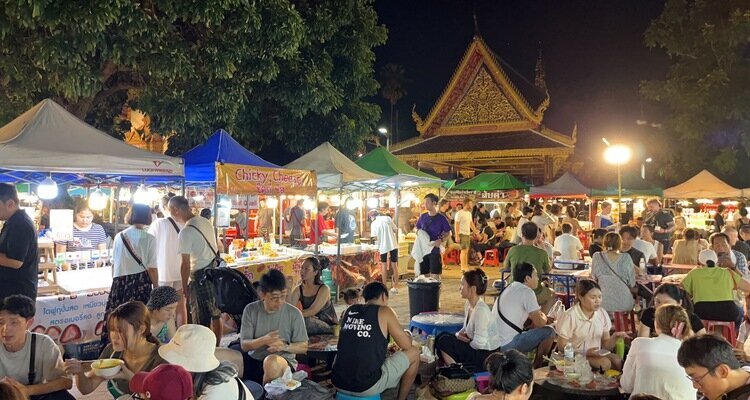 Chiang Mai Sunday Night Market is lively and packed with travelers enjoying street food.
Yes — and in most places, it feels very relaxed at night.
Night markets, street food areas, and busy neighborhoods stay lively well into the evening. You'll see both locals and travelers out late, just enjoying the atmosphere.
From my experience, nights in Thailand feel calm rather than tense. During my trip, for example, after celebrating New Year's Eve on December 31, 2025, in Chiang Mai, I walked back to my hotel alone around 1 a.m. The streets were quiet, but I felt completely at ease.
On most trips, I've also gone out for massages at night and spent time trying street food and wandering through stalls. Even when the streets weren't busy, they still felt safe.
Just keep it simple:
- Stick to well-lit areas
- Avoid very quiet backstreets late at night
- Use Grab if you're heading back late
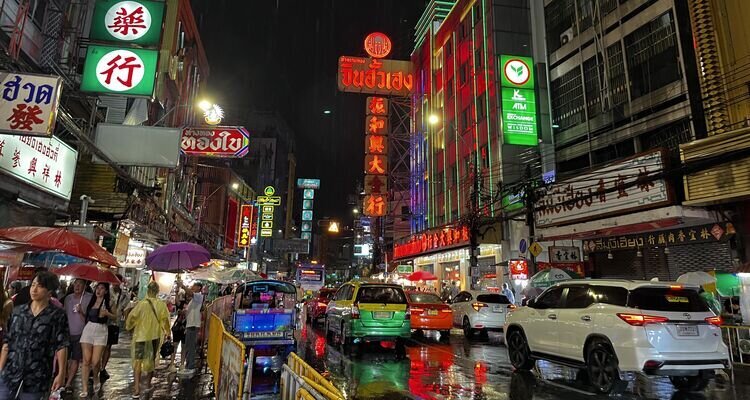 Even on rainy days, Bangkok's Chinatown is still packed and lively.
Is Thailand Safe for Bars & Nightlife?
Yes — nightlife in Thailand is lively and generally very safe.
Areas like Khao San Road, Soi Cowboy, and Bangla Road are busy, social, and full of travelers. Most nights out go smoothly.
Like anywhere, just keep an eye on your drink, your belongings, and how you get home.
Suggested Reading: Want tips for a smooth Thailand trip? See How to Plan a Trip to Thailand.
Is Thailand Safe for Solo Female Travelers?
Yes — and it's one of the easiest places in Southeast Asia to travel solo.
In cities like Bangkok and Chiang Mai, it's completely normal to go out alone. Getting a late-night massage or wandering a night market solo is just part of everyday life here.
People dress casually — tank tops, shorts, dresses — and it rarely leads to unwanted attention.
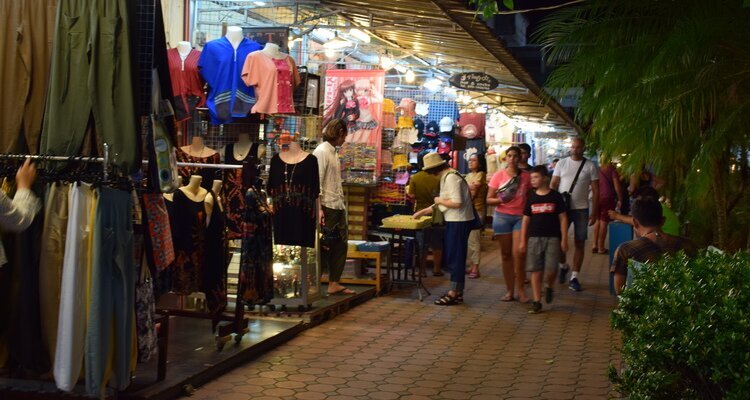 At the Chiang Rai night market, locals and travelers browse souvenir stalls in a calm setting.
Even at night, areas like Sukhumvit or Chiang Mai Old City are active and well-lit. Sitting alone at a café or bar doesn't feel unusual at all.
If you ever feel uncomfortable, just step into a 7-Eleven or pharmacy — they're everywhere and easy to duck into.
A few simple things that help:
- Use Grab at night instead of random taxis
- Choose central, well-reviewed hotels
- Avoid staying right inside red-light districts
If you want full flexibility without the stress, having a private driver and local support can make things feel even easier — especially on a first trip.
Is Thailand Safe for Families?
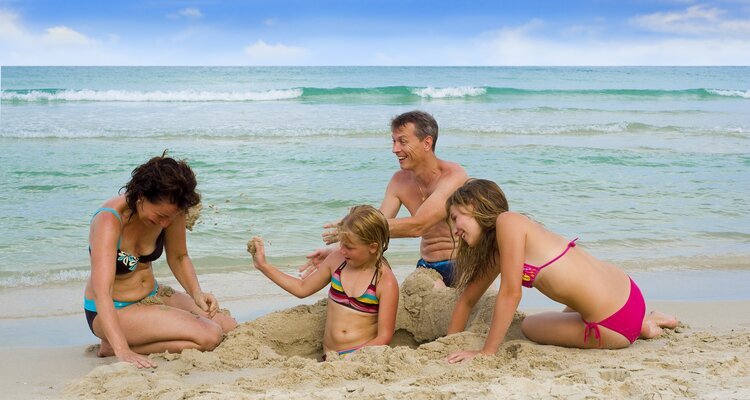
Yes — Thailand is one of the easiest places in Southeast Asia to travel with kids.
It's generally safe, easy to get around, and very welcoming to families. You'll see plenty of kids at hotels, malls, night markets, and attractions, so you won't feel out of place at all.
If you're planning a family trip, here are a few things parents usually ask:
Q: Is it okay for kids to eat street food?
A: Yes — and it's part of the experience.
The key is just to choose the right places. Busy night markets like Jodd Fairs in Bangkok or the Saturday Walking Street in Chiang Mai are great because food is cooked fresh and turns over quickly.
For kids, stick to freshly cooked dishes, peeled fruits, and bottled water.
Q: What if my child gets sick?
A: You're in good hands.
Thailand has excellent private hospitals, especially in cities like Bangkok, Chiang Mai, and Phuket. Places like Bumrungrad International Hospital are modern, efficient, and have English-speaking doctors available 24/7.
Q: Do I need to worry about car seats?
A: This is one thing to plan ahead.
Regular taxis usually don't provide car seats. If you're traveling with younger kids, it's best to arrange private transfers where child seats can be requested.
Q: Where should we stay as a family?
A: Pick areas slightly away from nightlife. Riverside Bangkok, Chiang Mai Old City, or resort areas in Phuket all work well.
If you're planning your trip, you can get some inspiration from our page How to Plan a Perfect Family Trip to Thailand.
A Few More Things Travelers Often Ask
Q: Is it safe to travel to Thailand during festivals or holidays?
A: Yes — and honestly, it's one of the best times to visit.
Festivals like Songkran or Yi Peng can get crowded, but the atmosphere is fun and well-organized. You'll see families, tourists, and locals all out celebrating.
Just keep an eye on your belongings in busy areas, and you'll be fine.
Q: Are beaches and water activities safe?
A: Yes, in most places, they are very safe.
Popular beaches in Phuket, Krabi, and the islands are well set up for tourists. The only thing to watch for is strong currents on some days.
If you follow the flags, listen to lifeguards, and book activities through reputable vendors, you'll have no issues.
Q: Do I need to worry about natural hazards?
A: Not really — just be aware of the seasons.
The rainy season (June to October) can bring heavy rain and occasional flooding, especially in coastal areas. It doesn't usually affect your whole trip, but it might change your plans for a day or two.
A quick weather check before activities is usually enough.
Q: Is it okay to visit Chiang Mai during the burning season (Feb–Apr)?
A: It depends on your comfort level.
Air quality can be noticeably worse during this time. Many travelers still visit and enjoy the city, but outdoor activities can feel less pleasant on certain days.
If you're sensitive to air quality, it's better to limit time outdoors, wear a mask when needed, or plan more indoor activities.
Q: Is pickpocketing something I should worry about?
A: Not a major concern, but it can happen in crowded places.
Think night markets, busy streets, or public transport. It's usually opportunistic rather than targeted.
Just keep your valuables close and you probably won't run into any issues.
Q: Are taxis and public transport safe?
A: Yes, just use the right ones.
In cities like Bangkok, Grab is the easiest option. Metered taxis are fine too — just make sure the driver uses the meter.
Avoid random offers from drivers approaching you on the street.
Q: Is it safe to use credit cards in Thailand?
A: Yes, very much so.
Cards are widely accepted in cities, malls, and hotels. For extra peace of mind, use ATMs inside banks and avoid entering card details on public Wi-Fi.
Most travelers use cards without any issues.
Q: Can I drink tap water in Thailand?
A: It's better not to.
Stick to bottled or filtered water, which is cheap and easy to find everywhere. Hotels and restaurants always provide safe drinking options.
It's a simple habit that helps you avoid stomach problems.
Q: Are border tensions with Cambodia affecting travel in 2026?
A: No — not in any way you'll notice.
You might see occasional news about border areas, but those are far from where travelers go.
Places like Bangkok, Chiang Mai, and Phuket are nowhere near those areas, and even crossings to Angkor Wat are operating as usual.