
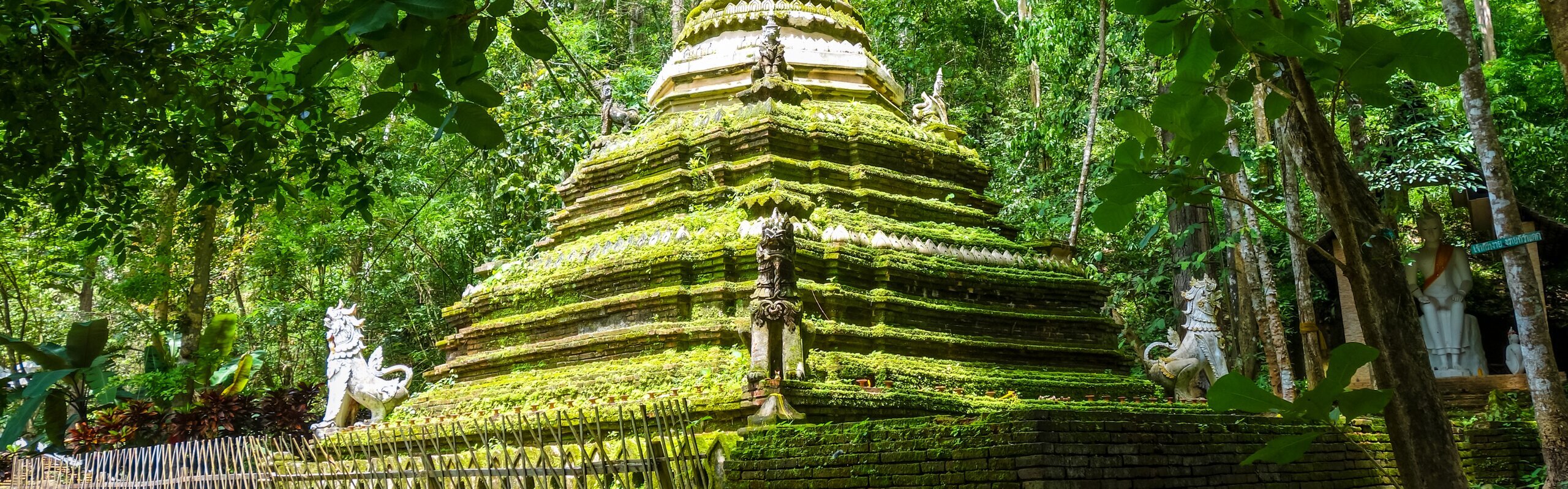
Why I Recommend Spending at Least 4 Nights in Chiang Mai

Travel Consultant Turned Editor
Most first-time visitors underestimate Chiang Mai.
They think it is a small city with a few temples, a night market, and an elephant experience.
So they give it 2 or 3 nights before moving on.
That is enough to see Chiang Mai.
But it is not enough to experience it.
With less time, you have to choose between what defines Chiang Mai: its temples and Lanna culture, its mountain landscapes, and its local way of life.
Chiang Mai's charm also comes from the slower moments: joining morning almsgiving, exploring mountain communities, meeting local craftspeople, and seeing how old traditions still fit into modern life.
To include these experiences without rushing, I recommend staying at least 4 nights.
Give Chiang Mai Enough Time to Understand Its Buddhist Culture
Unlike Bangkok's famous temples or Ayutthaya's ancient ruins, Chiang Mai lets you see Buddhism as part of daily life.
Chiang Mai's temples aren't big. If you're here for the architecture, most take half an hour.
To see Buddhism as a living tradition today, you have to slow down and be there at the hour it happens.
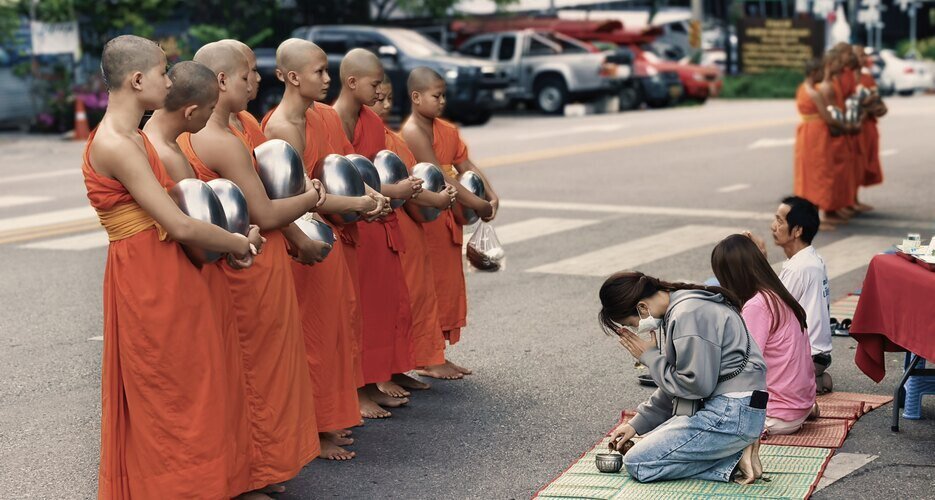
Almsgiving is the easiest way in. Arrive at the foot of Doi Suthep around 6:30, follow locals offering food to monks and receive blessings.
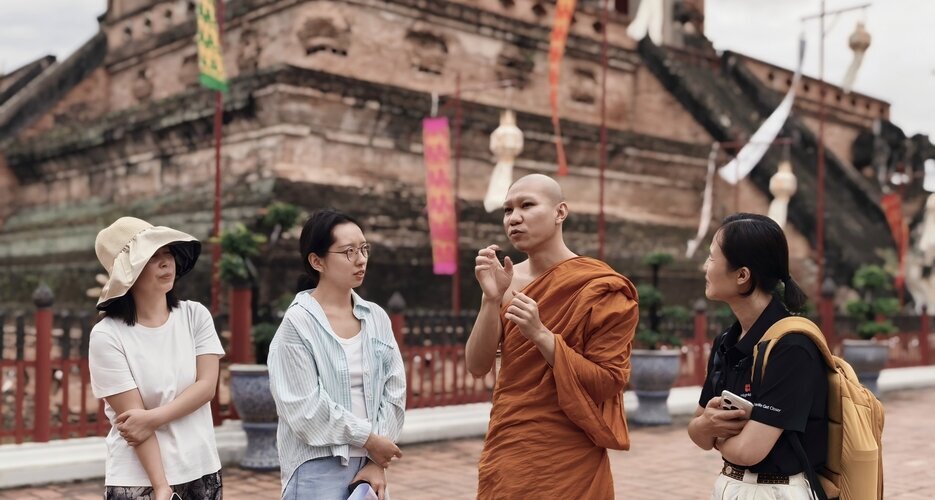
To see how the monks practise, walk into one of the most important temples, like Wat Chedi Luang, during their chanting hours (8 am or 5 pm).
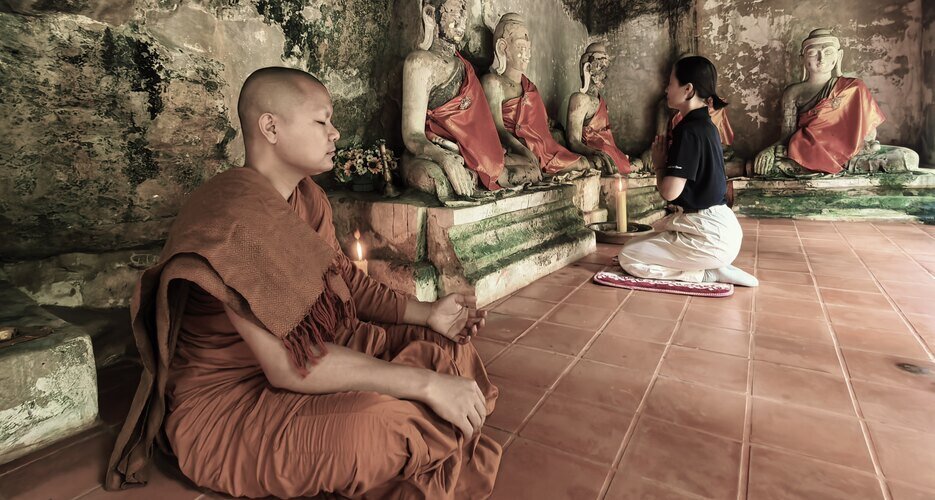
Then go deeper at Wat Pha Lat, where Chiang Mai's forest monk tradition continues. Instead of simply visiting the temple, we can arrange a private time with a monk. Spend time talking with him, meditate with him, and light a candle for a quiet blessing.
Leave One Day for Chiang Mai's Mountains and Nature
Chiang Mai has two very different sides: the old city and the mountains.
Unlike Bangkok and the islands, the mountains here are not just a backdrop. Many villages here still depend on farming. Coffee, tea, and handicrafts are not tourist displays. They are part of daily life.
A day trip to Doi Inthanon gives you the classic highland experience: waterfalls, forest trails, cooler temperatures, and mountain viewpoints.
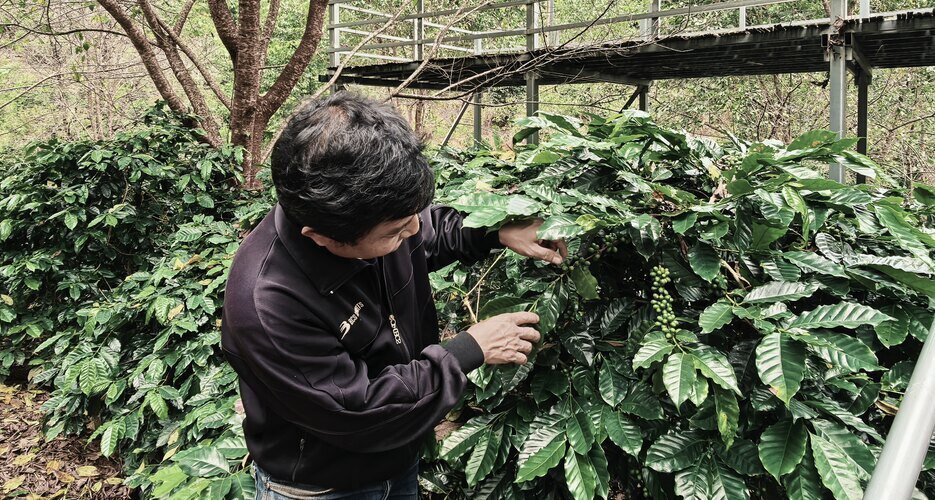
But to see them at their most real, you have to go further out: into the coffee farms of the hill-tribe villages. There you hear how mountain communities replaced opium cultivation with coffee farming.
Leave Time to Go Beyond a Typical Elephant Camp Experience
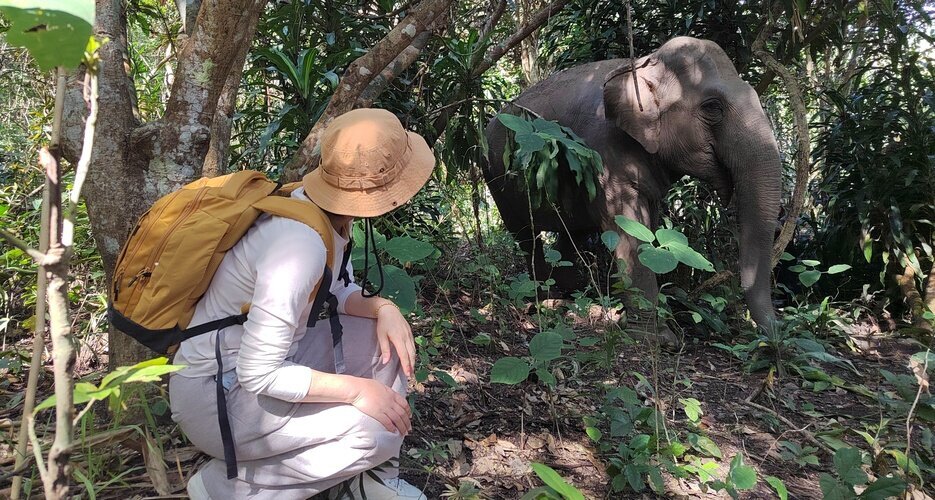
Most visitors spend half a day at an elephant sanctuary. With more time, you can experience a deeper side of Chiang Mai's elephant culture.
We can take you to the home of a lifelong elephant carver. Hear his stories, learn about his craft, and understand the role elephants have played in local life.
For a more immersive experience, I strongly recommend glamping at Bush Camp Chiang Mai. Spend more time with elephants, cook with Karen hosts, and enjoy sunset drinks as the valley quiets down.
Four Nights Also Lets You Discover the Everyday Side of Chiang Mai
Unlike the cooking classes and night markets every Thai city has, this is the day you spend with people who already live here.
Talk with a local coffee shop owner and hear why he left Bangkok for Chiang Mai. His story shows a side of the city you won't find in a guidebook — why people choose a slower pace and a different way of living.
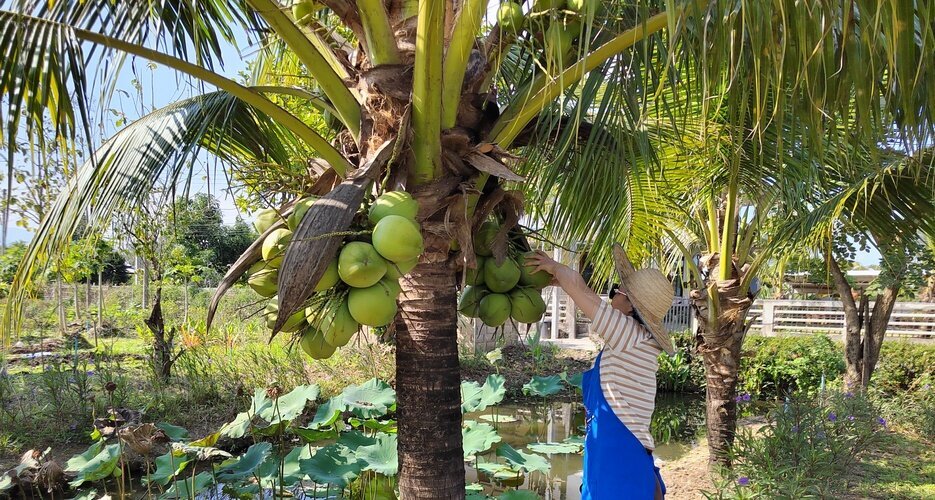
You can explore the same idea through everyday experiences. Join a farm-to-table cooking class, walk through the fields with your host, and see how northern Thai food is connected to local farms and seasons.
Spend time with a Lanna craftsperson in the real communities, see how he/she still practices the traditional skill today, and try it yourself.
Then enjoy a traditional Thai massage, one of the simplest ways to experience how deeply relaxation is part of everyday life in Chiang Mai.
How I Would Spend 4 Nights in Chiang Mai
The order matters. I'd start slow, then add more active experiences, and finish with time to recharge.
Start with the Old City and cultural experiences. Staying close to town in the first 2 days means less time in the car and more time to adjust after arrival.
Then move into nature with an elephant experience and a mountain day. This changes the pace of the trip and lets you experience the landscapes and local life that make Chiang Mai different.
Leave the last day flexible. After several days of exploring, enjoy a massage, cooking class, local market, or simply relax at your hotel before continuing to your next destination.
Here is how I would structure a 4-night stay:
- Day 1: Arrive in Chiang Mai in the morning, walk around the Old City, and visit the night market.
- Day 2: Join morning almsgiving, have breakfast at a local market, visit Wat Chedi Luang, experience meditation at Wat Pha Lat, and watch sunset chanting at Wat Phra That Doi Suthep.
- Day 3: Visit an ethical elephant sanctuary, meet local elephant artisans, or join a farm-to-table cooking class.
- Day 4: Explore Doi Inthanon National Park, including the Pha Dok Siew Nature Trail, Mae Klang Luang Karen Village, Thailand's Highest Point, and the Twin Pagodas.
- Day 5: Enjoy a relaxed morning with coffee, local shopping, or a final walk before departure.
Looking for more ideas? See the ones I'd recommend and the ones I'd skip.
FAQ about Travelling to Chiang Mai
1. Is 4 nights in Chiang Mai too much for a first visit?
No. Four nights is a good amount of time for a first visit. You'll have time to see the highlights, but also slow down and experience what makes Chiang Mai special — its temples, mountains, and everyday local life.
2. Where should I stay for a 4-night Chiang Mai trip?
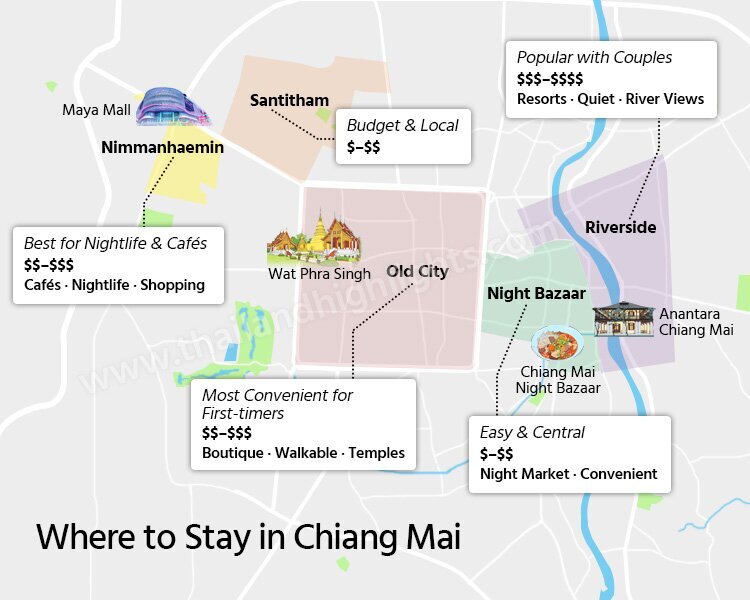
For first-time visitors, I recommend staying in the Old City or riverside area.
- If you prefer easy nightlife, pick Old City. You can walk to famous temples, local restaurants, markets, and massage shops.
- For a quieter and more scenic stay, stay in the riverside area.
3. Should I add Chiang Rai to my Chiang Mai itinerary?
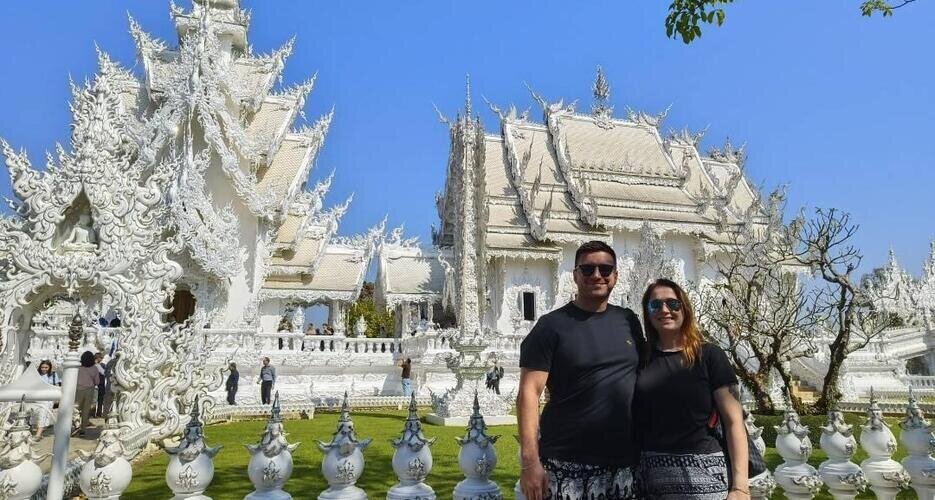
If you've already seen the classic Chiang Mai sights and want something quieter and more rural, Chiang Rai is an ideal place to take a deeper look at northern Thailand.
4. What is the best time to visit Chiang Mai?
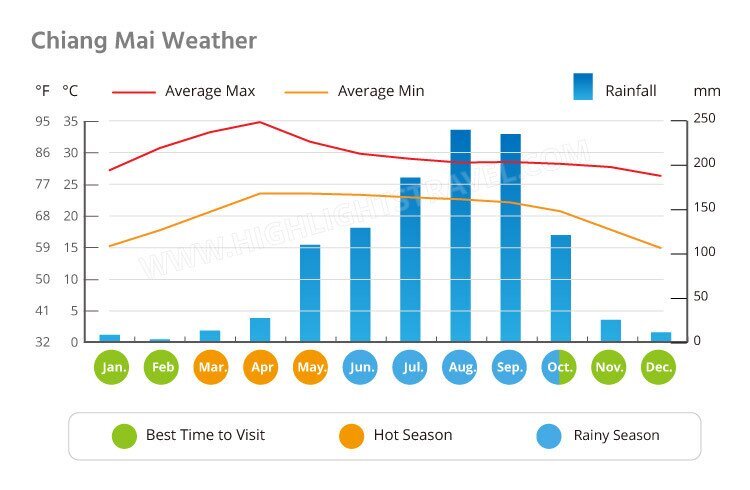
For the best experience, I recommend November to February. You can explore all highlights at its coolest and driest months. It's also the city's most festive season, with events like the Yi Peng Lantern Festival.
Want fewer crowds and lower prices? Aim for the shoulder windows — early June, late October, or late February.
I'd avoid March (hottest month with burning-season haze) and September (wettest).
5. What is the best way to get around Chiang Mai?
In the Old City, walk or take Songthaews (shared red trucks) and tuk-tuks. It's small, and you'll find spots you'd otherwise miss.
If you're out of town, like Doi Inthanon, book a private car or van. Because there is limited public transport.
6. When I Wouldn't Spend 4 Nights in Chiang Mai
Just leave 2–3 nights in Chiang Mai if your first Thailand trip is only 7–10 days.
Planning a 4-night Chiang Mai trip?
With limited time, the key is knowing what is worth your time and how to put the pieces together.
We'll help you create a private itinerary that lets you experience Chiang Mai in the right order, at the right pace.