

Should Chiang Rai & Golden Triangle Be One of Your Limited Days in the North?

Travel Consultant Turned Editor
Chiang Rai is often treated as a day trip from Chiang Mai: see the White Temple, Blue Temple, and maybe the Golden Triangle, then head back.
After spending more time in the area, I think that misses much of what makes Chiang Rai interesting.
The temples are worth seeing, but the region has much more to offer beyond them — mountain scenery, tea farms, local communities, and the story of how the Golden Triangle has changed over time.
The question, then, isn't simply whether Chiang Rai is worth visiting. It's whether it deserves one of your limited days in Northern Thailand, and what you should actually make time for if you decide to go.
When Chiang Rai Is Worth Adding?
I'd consider adding Chiang Rai when you have at least 5 days for Northern Thailand and don't mind slowing the trip down a little.
With only 3–4 days, I'd stay in Chiang Mai. There is already plenty to experience there, and adding Chiang Rai means spending a significant part of your time on the road.
With 5 days or more, the extra travel starts to make more sense.
You can spend a day exploring Chiang Rai's famous temples, then use another day or two to see what makes the area different: mountain scenery, tea farms, local communities, and the history of the Golden Triangle.
I'd also consider it if you've already seen the classic Chiang Mai sights and want something quieter and more rural.
So I wouldn't add Chiang Rai simply to tick off three more temples. I'd add it when you have enough time to experience the region beyond them. It is better to stay at least 2 nights there.

What Makes Chiang Rai Worth the Extra Days?
The White Temple, Blue Temple, and Black House are the easiest introduction. They are not, however, the strongest reason to spend several days in Chiang Rai.
1. Golden Triangle: The Part You Can't Easily Find Elsewhere
Here you get one of the region's most unique views — the spot where Thailand, Laos, and Myanmar meet.
But it's not worth the one-hour drive from Chiang Rai unless you're interested in the opium history.
It does help you understand how opium shaped this whole area.
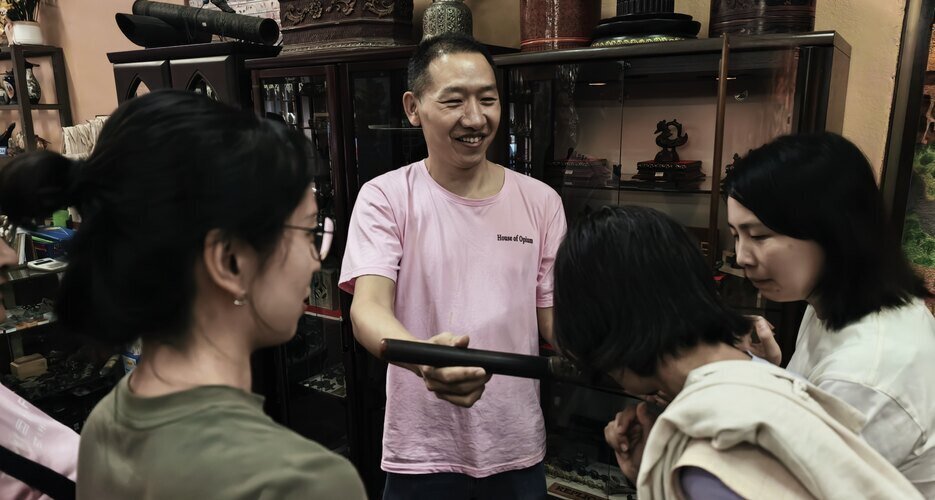
Go to the Hall of Opium for the big interactive overview.
For a more personal story, choose the House of Opium. We can arrange a private conversation with the owner's son. Then you can ask and hear the stories behind his family's collection.
2. Mountain Life: See Northern Thailand Beyond the Tourist Trail
Want to see how people really live with the land in northern Thailand? Head into the mountains.
Here, you'll find untouched Akha, Hmong, and Lahu communities, where farming and traditions are still part of daily life.
Step into the village, talk to locals, hear how they switched from opium to coffee, and taste the coffee and tea they grow.
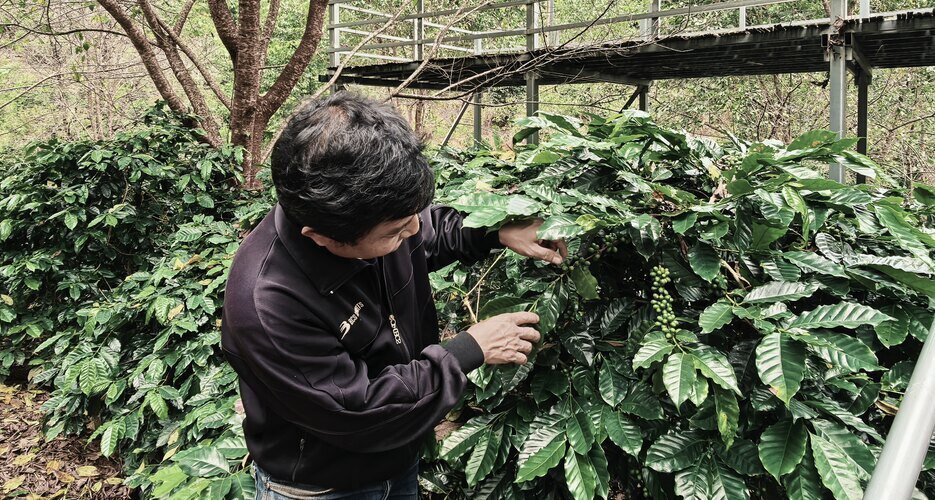
But I’d go further. Hike through the terraced fields and forests, then enjoy a farm meal in the fields. In December or January, the coffee harvest scene and cherry blossoms are a bonus along the trails.
On our research trip, we even came across an Akha village during its Swing Festival. People in full traditional dress, swinging on those huge village swings, singing, dancing. No tourist show. Just...happening.

3. Chiang Rai's Mountain Retreats: Slow Down in Nature
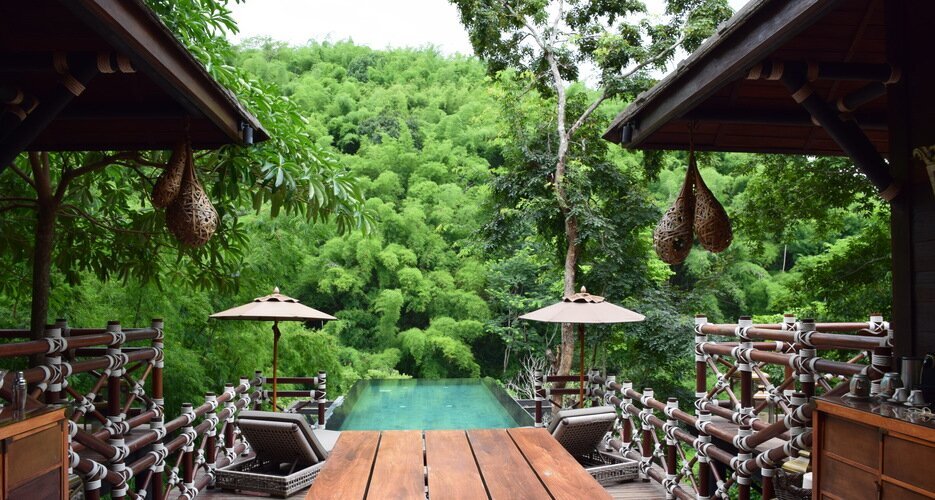
The best way to slow down in Chiang Rai is to stay at a mountain retreat.
They are not just about having a nice room. Instead, they let the landscape become part of your experience.
Wake up to misty mountain views, unwind at an infinity pool overlooking the Golden Triangle, walk through tea gardens, or simply sit under a tree with nowhere else to be.
No city noise, just you and your partner.
If you want a luxury stay where elephants are part of the experience, look at Anantara Golden Triangle or Four Seasons Tented Camp.
For a quieter stay closer to local villages and tea plantations, Phu Chaisai and Katiliya Mountain Resort are better fits.
How I'd Fit Chiang Rai Into a First Northern Thailand Trip
For most first-time visitors, I'd pair Chiang Rai with Chiang Mai.
Together, they cover the key Northern Thailand experiences most first-time visitors look for.
Chiang Mai offers temples, Lanna culture, elephants, and Doi Inthanon, while Chiang Rai adds the Golden Triangle, mountain villages, and highland landscapes.
You won't lose days to long transfers, as they are well connected to other places. Plus, you don't have to sacrifice comfort, as they offer good facilities and services.
For a comfortable first trip, I usually suggest:
- Day 1: Arrive in Chiang Rai and enjoy the local night market.
- Day 2: Golden Triangle or highlands
- Day 3: Visit Chiang Rai's famous temples (White Temple, Blue Temple, Black House), then transfer to Chiang Mai.
- Day 4: Chiang Mai city tour for Buddhist culture and local life
- Day 5: Elephant tour
- Day 6: Chiang Mai Departure
If you have more time, extend the trip to Sukhothai or Lampang for a deeper look at Northern Thailand. For a full plan, check our 10-day Northern Thailand trip.

FAQ About Traveling to Chiang Rai
1. How many days should you stay in Chiang Rai?
2 nights is the practical minimum for most first-time visitors; 3 nights works better if the focus is mountains, countryside, or a resort stay.
2. Is Chiang Rai better than Chiang Mai?
Chiang Mai is easier for a first visit, with more attractions, restaurants, and activities close together.
Chiang Rai is quieter and more about the Golden Triangle, mountain landscapes, and slower travel.
Check out more details in our guide: Chiang Mai vs. Chiang Rai.
3. What is the best time to visit Chiang Rai?
November to February is the safest choice for most travelers. The weather is cooler, and mountain views are usually clearer.
I would be more careful during the burning season, usually March to April, when haze can affect views and outdoor activities.
More monthly weather in Best Time to Visit Chiang Rai.

4. Do I need a car in Chiang Rai?
Yes, if you want to explore beyond the city.
The places worth visiting are spread across the province, so a private vehicle makes it much easier to reach the Golden Triangle, Doi Tung, Mae Salong, and countryside areas.
5. Is Chiang Rai a good choice for couples or families?
Yes, especially if you enjoy a slower pace of travel.
I would skip it if you have young children and want lots of activities and entertainment every day.
6. Is the Long Neck Karen Village worth visiting?
I don't suggest it.
Most visits focus on looking, taking photos, and shopping. You see the community, but you don't get much insight into how people actually live.

Make the Most of Your Time in Northern Thailand
Choosing Chiang Rai is only the first step. The key is knowing how to spend your time there.
We'll create a private itinerary that fits your travel style, recommend the right hotels, and make sure Chiang Rai fits smoothly into your Thailand trip.
You can get inspiration from our best-selling Thailand tours with Chiang Rai.