
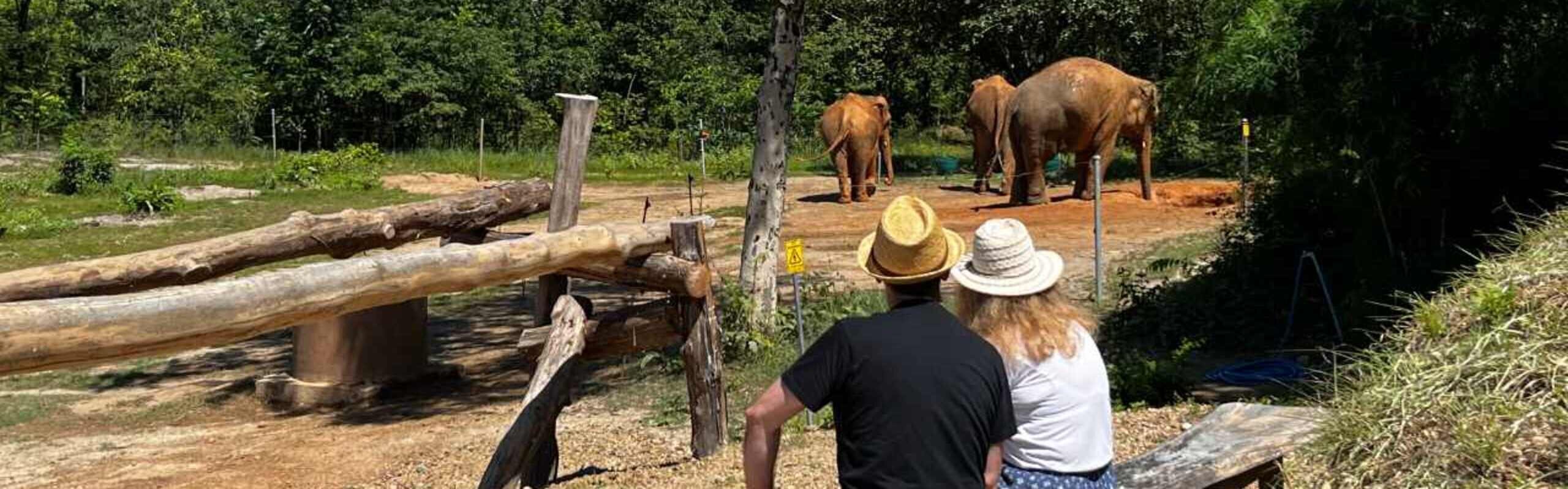
Thailand is home to over 80 elephant sanctuaries spread across Chiang Mai, Bangkok, Phuket, and nearby areas.
With so many options, how do you choose the right one? Are they ethical? What to expect during an elephant visit?
In this article, we've rounded up the best ethical sanctuaries where you can enjoy meaningful, responsible interactions.
Where to Go for Your Elephant Experience in Thailand?
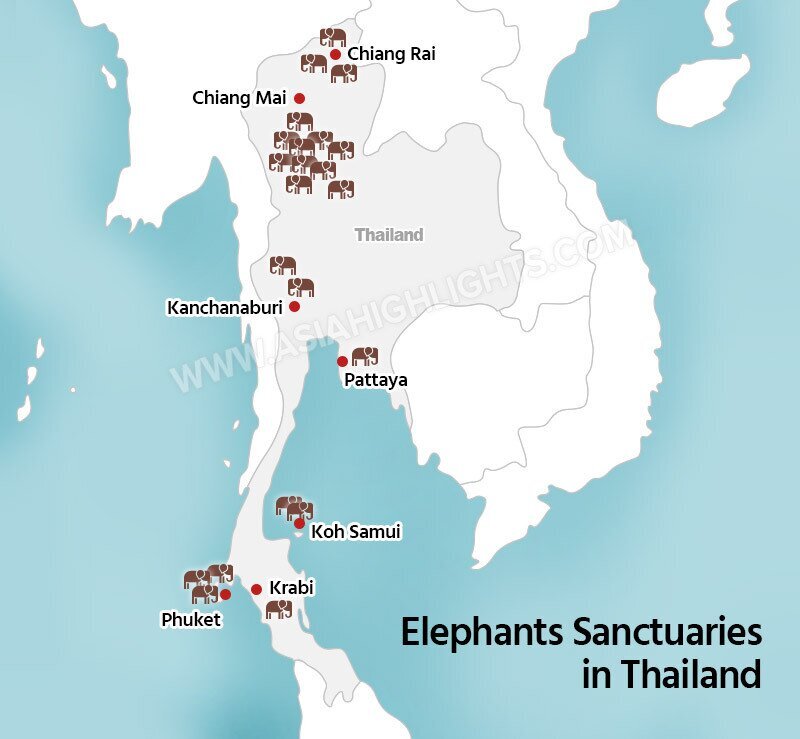
Thailand offers many opportunities to experience elephants up close. If you're looking for the top destinations, I'd rank Chiang Mai as the best place, followed by Kanchanaburi and then Phuket.
Aside from these popular spots, there are other options across the country, so whether you're in northern, central, or southern Thailand, you can find an ethical elephant sanctuary near you.
Northern Thailand: Chiang Mai, Chiang Rai, and Lampang
Northern Thailand is known for its ethical sanctuaries, with Chiang Mai hosting some of the country's best. Here, you'll enjoy mountainous scenery and cooler weather, perfect for observing elephants in a natural setting.
Nearby Chiang Rai and Lampang also offer quieter, more intimate experiences with ethical sanctuaries, ideal for those looking to avoid larger tourist crowds.
Central Thailand: Kanchanaburi and Pattaya
If you're not heading north, you can find ethical sanctuaries near Bangkok. Kanchanaburi offers a peaceful environment to connect with elephants more authentically, while Pattaya is a convenient option for those short on time, as it minimizes travel.
Southern Thailand: Phuket, Koh Samui, and Krabi
In the south, Phuket stands out as a top choice for its variety of ethical elephant sanctuaries and visitor amenities.
Krabi is still a wonderful option if you prefer a quieter experience with smaller groups. Koh Samui has limited options, as elephants are not native to the island.
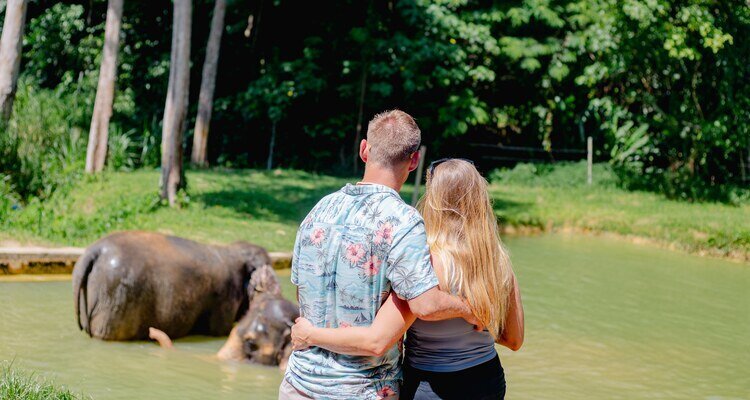
The Best 6 Ethical Elephant Sanctuaries We Recommended
We select the top 6 elephant sanctuaries in the main destinations around Thailand. No matter which region you go to, you can have an option.
How do we select the elephant sanctuaries? While there is no single, official definition of "ethical," we base our criteria on the following principles: no riding, no shows, no chains, and respectful bathing—allowing elephants to bathe only if they choose to.
In addition to these core principles, we evaluate the overall experience based on our own on-the-ground assessments and our travellers' feedback, including the attitude and professionalism of the staff, group size, smooth operations, and well-organized activities.
1. Elephant Nature Park, Chiang Mai
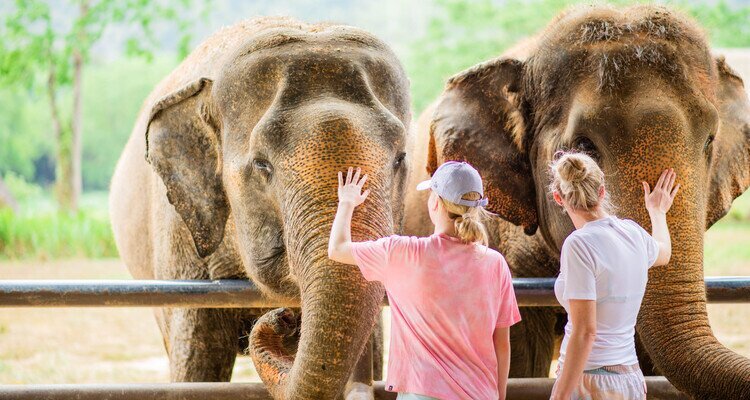
This sanctuary is a favorite for many visitors. As the first sanctuary of its kind in Asia, Elephant Nature Park is home to over 100 rescued elephants and many other animals.
The park is known for its hands-off approach—there's no riding or bathing, allowing the elephants to roam freely. Feeding is the only hands-on activity allowed.
The park offers the SkyWalk tour, which provides a fully hands-off way to observe the elephants from above. It also offers week-long volunteer stays for those who want a more immersive experience.
See more options in our article Top Ethical Elephant Sanctuaries in Chiang Mai.
2. Somboon Legacy Foundation, Kanchanaburi
For a truly ethical, hands-off elephant experience in Central Thailand, the Somboon Legacy Foundation in Kanchanaburi is an excellent choice.
As a non-profit, the foundation cares for the elderly, and ill, and rescued elephants. With just three elephants and a maximum of 12 visitors per day, the experience is intimate and focused on observation and education. The elephants roam freely on their own schedule, with no feeding or bathing activities for visitors.
For more recommendations, check our article The Best Elephant Sanctuaries Near Bangkok.
3. Phuket Elephant Sanctuary, Phuket
Phuket Elephant Sanctuary is the island's first ethical sanctuary, home to 20 rescued elephants. Known for pioneering Thailand's no-riding policy, it offers half-day and full-day programs where visitors can feed and walk with the elephants, without any bathing or shows.
A standout feature is Thailand's longest canopy walkway, providing a unique, 100% hands-off way to observe these gentle giants from above.
For more recommendations, check our article The Best Elephant Sanctuaries in Phuket.
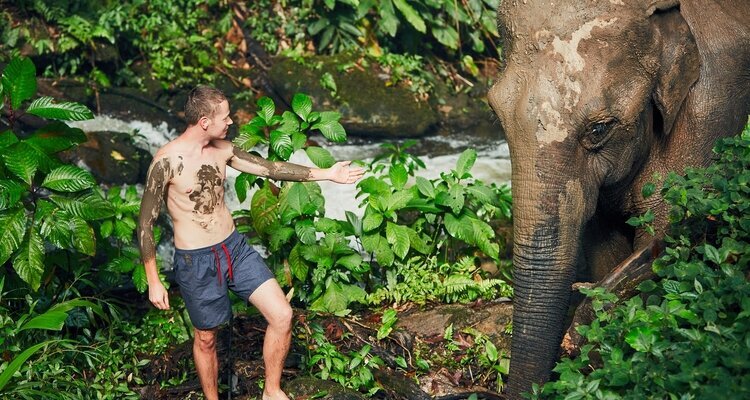
4. Elephant Hills, Koh Sok National Park
Elephant Hills is a unique jungle safari camp in Khao Sok National Park, where you can meet elephants in a natural, jungle setting. Unlike traditional sanctuaries, Elephant Hills offers a luxury tented camp experience. Guests can enjoy an immersive, hands-off encounter with the elephants—no riding or performances allowed.
In addition to elephant interactions, Elephant Hills offers activities like kayaking, swimming, and exploring the stunning Cheow Lan Lake. The camp also has a branch in Chiang Mai, offering a 2- to 3-day safari-style experience.
5. Following Giant, Krabi
For a highly ethical experience in Krabi, Following Giant is a top choice. It meets World Animal Protection's highest welfare standards, with a strict no-touch, no-feeding, and no-bathing policy.
The sanctuary has two camps with spacious, jungle-like environments for the elephants. Each camp limits visitors to 12 per day at Ao Nang and 10 per day at Koh Lanta for the elephants' comfort.
Visitors can walk alongside and observe the elephants from a respectful distance.
See more options in our article Top Ethical Elephant Sanctuaries in Krabi.
6. Samui Elephant Sanctuary, Koh Samui
On Koh Samui, the Samui Elephant Sanctuary offers an ethical experience with a strict no-bathing policy. Visitors can walk alongside the elephants and participate in feeding sessions, providing a respectful interaction.
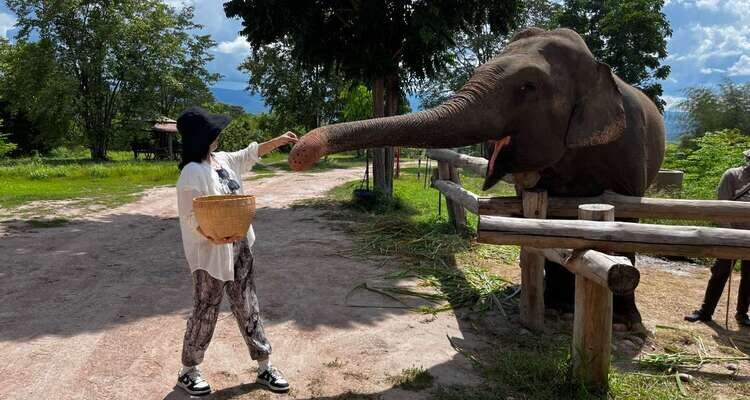
How Much Does it Cost to Visit an Elephant Sanctuary?
Visiting an ethical elephant sanctuary in Thailand generally costs:
- $50 to $80 USD per person for a half-day tour (3-4 hours),
- $80 to $100 USD per person for a full-day tour (6-8 hours),
- $20 to $30 USD per person for shorter experiences, like a 2-hour feeding-only session.
These prices usually include educational talks, observation time, and hands-on activities like feeding. Transfers and meals are often provided, creating a well-rounded and convenient experience.
What to Expect During Your Visit?
While most tours are group-based (typically 10-20 people), some sanctuaries, such as Elephant Rescue Park in Chiang Mai and Phuket Elephant Nature Reserve, offer private tours for a more intimate experience.
During your visit, you'll be guided by knowledgeable staff who will share the history of each elephant, their unique personalities, and the sanctuary's approach to their rehabilitation.
You'll spend time feeding, bathing, or walking with the elephants, but you won't be engaging in any activities that involve riding or forced performances.
Many programs offer additional activities, such as making elephant dung paper, preparing food for the elephants, or even taking a cooking class.
Sample Full-Day Program at Elephant Nature Park, Chiang Mai:
Morning Activities:
- Elephant project and safety video on the 90 minute drive to the project
- Elephant Introductions
- Greeting and Elephant feeding
- Walking with Elephants
Lunch Time
Afternoon Activities:
- Mountain Walk with elephants
- Preparing rice ball treats for the elephants
- Feed the hungry herd
- Transfer and return to Chiang Mai city
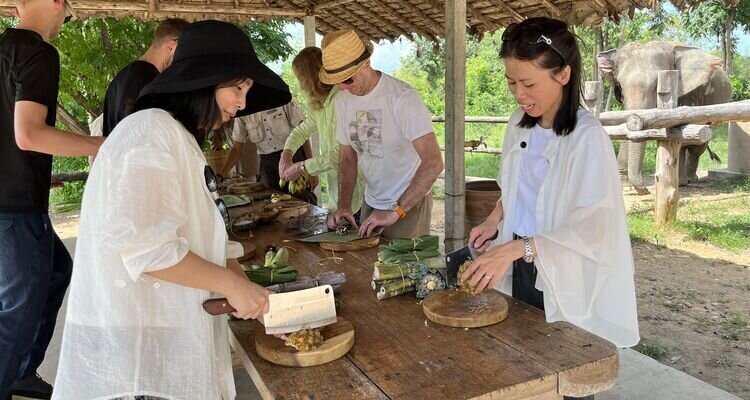 Preparing food for elephants
The Best Time to Visit an Elephant Sanctuary
Elephant sanctuaries in Thailand are open year-round, but the cool season (November to March) is often ideal. During these months, temperatures are more comfortable, making it a pleasant time to spend extended periods observing or walking alongside the elephants.
The rainy season (June to October) is also an option if you don't mind occasional showers, as the lush, green scenery can enhance your experience.
For a quieter and more affordable visit, consider the low season months of May, June, September, and October, when fewer visitors allow for a more personal and intimate encounter with the elephants.
Looking for an Accommodation with Elephants?
If you're looking for accommodations with an elephant experience right outside your door, Thailand offer some options.
Several eco-lodges and luxury camps are located within or near ethical elephant sanctuaries, allowing guests to wake up to the sights and sounds of elephants roaming nearby.
Some luxurious choices include Elephant Hills in Khao Sok, Anantara Golden Triangle in Chiang Rai, and the Bush Camp in Chiang Mai. For more budget-friendly options, Elephant Nature Park in Chiang Mai offers limited accommodation with an immersive sanctuary experience.
These stays often combine lodging with exclusive access to the sanctuary's programs, allowing you to participate in feeding, observation, or educational sessions without having to travel far.
Check out our article: Elephant Hotels & Resorts in Thailand for more details.
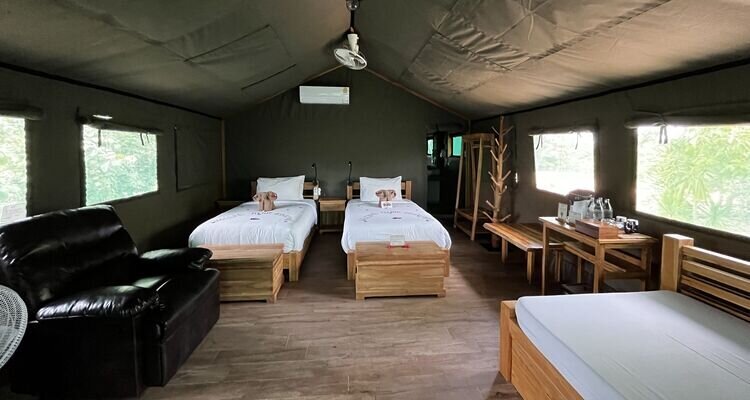 The Bush Camp Elephant Resort in Chiang Mai
Is It Possible to See Wild Elephants in Thailand?
If you're hoping to see wild elephants in Thailand, your best chance is at Kui Buri National Park, about 1.5 hours from Hua Hin, where over 300 elephants roam and guided afternoon safaris offer the highest sighting rates.
Khao Sok National Park and Khao Yai National Park also have wild populations, but sightings are less predictable and usually part of a broader jungle, lake, or hiking experience.
The best months are outside the hot season (March–May), when elephants are more active, especially in the late afternoon.
Because park access, vehicles, and rangers are regulated (and English is limited on-site), going with a knowledgeable guide makes the experience smoother and more meaningful.
Travel Tips for Visiting an Elephant Sanctuary
1. Book in Advance: Many sanctuaries have limited spots. Book early, especially during peak season, to secure your spot and avoid overcrowding.
2. Stay Safe: Always follow the guide's instructions. Avoid sudden movements or loud noises to ensure safety for both you and the elephants.
3. Wear Comfortable Clothing: Expect outdoor activities, so wear breathable clothes and closed-toe shoes, and bring rain gear if needed.
4. Avoid Flash Photography: Flash can startle elephants. Ask for permission before taking photos and respect no-photo policies.
5. Respect the Sanctuary's Schedule: Arrive on time to follow the sanctuary's schedule, ensuring a full experience and minimal stress for the elephants.
Travel Ethically With Thailand Highlights
At Thailand Highlights, we believe in responsible travel that helps protect wildlife and supports local communities. When you choose ethical sanctuaries, you're making a positive impact.
Ready for an unforgettable adventure with elephants? Contact us today to start planning your ethical journey in Thailand!